April 20, 2026

investment

Exploring bitcoin etf in roth ira opens the door to innovative investment strategies that merge the worlds of cryptocurrency and traditional retirement planning. As Bitcoin continues to gain traction, many investors are curious about how this digital asset can fit into their long-term savings goals, especially through the tax-advantaged structure of a Roth IRA.

In this piece, we will unpack the essentials of Bitcoin ETFs, how they function within a Roth IRA, and the potential benefits and risks involved in this investment approach. With the growing popularity of cryptocurrencies, understanding this intersection is vital for those looking to diversify their retirement portfolios effectively.

Introduction to Bitcoin ETF

Bitcoin ETFs, or Exchange-Traded Funds, are investment vehicles that allow investors to trade Bitcoin on traditional stock exchanges, similar to how they would trade stocks. These funds hold Bitcoin assets and enable individuals to invest in Bitcoin without needing to directly purchase or manage the cryptocurrency. The popularity of Bitcoin ETFs has surged among investors, primarily due to their accessibility and the regulatory oversight that comes with them.

This means that investing in Bitcoin through an ETF can provide a sense of security for those hesitant to engage with cryptocurrency directly.In financial markets, Bitcoin ETFs operate by tracking the price of Bitcoin and allowing investors to buy shares of the fund. The value of these shares fluctuates based on the market price of Bitcoin, providing a convenient method for investors to gain exposure to Bitcoin’s price movements while circumventing the complexities of digital wallets and private keys.

Understanding Roth IRA

A Roth IRA, or Individual Retirement Account, is a type of retirement savings account that offers tax advantages for those who contribute to it. Contributions to a Roth IRA are made with after-tax dollars, meaning that withdrawals during retirement are tax-free, provided certain conditions are met. This makes a Roth IRA an appealing option for individuals who anticipate being in a higher tax bracket during retirement.To be eligible to contribute to a Roth IRA, individuals must meet specific income requirements, which can vary depending on tax filing status.

For many, the benefits of using a Roth IRA include the ability to grow investments tax-free and withdraw funds without penalty after age 59½, making it a compelling option for retirement savings.

Benefits of Investing in Bitcoin ETF through Roth IRA

Investing in a Bitcoin ETF through a Roth IRA offers several unique advantages, particularly in terms of tax efficiency and growth potential. One of the primary benefits is the tax treatment of gains. Since earnings in a Roth IRA grow tax-free, any profits generated by the Bitcoin ETF will not be subject to capital gains tax upon withdrawal, allowing investors to maximize their returns.The growth potential of Bitcoin aligns well with retirement savings strategies, as many investors view Bitcoin as a long-term growth asset.

By including Bitcoin ETFs in a Roth IRA, individuals can diversify their portfolios, potentially enhancing their overall returns and mitigating risks associated with traditional investment structures.

How to Invest in a Bitcoin ETF within a Roth IRA

Setting up a Roth IRA that allows for Bitcoin ETF investments involves several key steps. First, you will need to select a financial institution that offers a self-directed Roth IRA, which permits investments in various assets, including Bitcoin ETFs. Here’s a brief guide:

  1. Choose a custodian: Research and select a brokerage that offers self-directed Roth IRAs with Bitcoin ETF options.
  2. Open the account: Complete the necessary paperwork to establish your Roth IRA.
  3. Fund the account: Contribute to your Roth IRA, adhering to the annual contribution limits set by the IRS.
  4. Select a Bitcoin ETF: Research various Bitcoin ETFs and choose one that aligns with your investment goals.
  5. Execute the purchase: Use your Roth IRA funds to buy shares of the chosen Bitcoin ETF.

Completing the necessary compliance paperwork, particularly with regard to tax reporting and asset management, is essential to ensure that your investments remain within the regulatory guidelines established for Roth IRAs.

Risks and Considerations

While investing in Bitcoin ETFs offers potential rewards, there are also inherent risks involved. One major risk is market volatility; Bitcoin’s price can be highly unpredictable, which can lead to significant fluctuations in your retirement account value. This volatility could impact long-term financial planning, making it essential for investors to carefully consider their risk tolerance.Regulatory considerations also come into play when holding Bitcoin ETFs in a Roth IRA.

As the cryptocurrency landscape evolves, changes in regulations could affect the legality or operation of such investments. Staying informed about these developments is critical for maintaining compliance and safeguarding your investment.

Comparison of Bitcoin ETFs Available for Roth IRA

A variety of Bitcoin ETFs are available for investors looking to include them in their Roth IRAs. The following table compares several prominent Bitcoin ETFs, highlighting their features, performance metrics, and fee structures:

Bitcoin ETF Expense Ratio Assets Under Management (AUM) Performance (1 Year)
ProShares Bitcoin Strategy ETF 0.95% $1.2 Billion +90%
Valkyrie Bitcoin Strategy ETF 0.75% $400 Million +85%
VanEck Bitcoin Strategy ETF 0.70% $300 Million +80%

Each Bitcoin ETF has its own advantages and disadvantages, such as varying expense ratios, management styles, and performance histories, which should be carefully evaluated based on your investment strategy and retirement goals.

Common Misconceptions about Bitcoin ETF in Roth IRA

There are several misconceptions concerning the security and viability of Bitcoin ETFs within retirement accounts. One common myth is that Bitcoin ETFs are inherently less secure than traditional investments due to the underlying cryptocurrency’s volatility. However, Bitcoin ETFs are regulated financial products that provide a layer of security not typically found in direct cryptocurrency investments.Another misunderstanding pertains to liquidity; many believe that Bitcoin ETFs are less liquid compared to traditional investments, while in reality, they can be traded on major exchanges, providing immediate access to funds.

This makes them similar in liquidity to conventional stocks, countering the narrative that Bitcoin investments are inaccessible.Lastly, the perception of Bitcoin as a legitimate retirement investment is still evolving. While some investors are skeptical, a growing number recognize Bitcoin’s potential as a hedge against inflation and a means to diversify retirement portfolios.

Future Trends in Bitcoin ETFs and Roth IRAs

Looking ahead, several trends could shape the landscape of Bitcoin ETFs in Roth IRAs. Anticipated regulatory changes are likely to influence how Bitcoin ETFs are structured and operated, potentially leading to more favorable investment conditions. As governments and regulatory bodies become more comfortable with cryptocurrencies, clearer guidelines may emerge, facilitating broader adoption.Emerging trends in cryptocurrency adoption suggest that more investors are considering digital assets as part of their overall investment strategies.

This growing acceptance can further integrate Bitcoin ETFs into retirement planning, encouraging more individuals to explore the benefits of including cryptocurrencies in their portfolios.Market conditions will also play a critical role in shaping the future of Bitcoin ETFs within Roth IRAs. As the market matures, investors may see new opportunities and challenges, requiring them to continuously adapt their strategies to align with these changes.

Final Summary

In conclusion, integrating a bitcoin etf in roth ira presents a unique opportunity to enhance your retirement savings while tapping into the potential growth of cryptocurrency. By navigating the intricacies of Bitcoin ETFs and Roth IRAs, investors can position themselves for a diversified future, balancing both risk and reward in their retirement strategies.

FAQ Explained

What is a Bitcoin ETF?

A Bitcoin ETF is an exchange-traded fund that holds Bitcoin, allowing investors to trade shares of the fund on stock exchanges without owning the actual cryptocurrency.

Can I directly invest in Bitcoin within a Roth IRA?

No, you cannot hold Bitcoin directly in a Roth IRA; instead, you can invest in Bitcoin ETFs that are eligible within the account.

What are the tax advantages of a Roth IRA for Bitcoin ETFs?

With a Roth IRA, qualified withdrawals are tax-free, which can be particularly beneficial for capital gains accrued from Bitcoin ETF investments.

Are there any risks associated with investing in Bitcoin ETFs?

Yes, risks include market volatility, regulatory changes, and the potential for significant price fluctuations of Bitcoin, which can affect the value of the ETF.

How do I choose the right Bitcoin ETF for my Roth IRA?

Consider factors such as performance history, management fees, fund structure, and how well the ETF tracks the price of Bitcoin before making your choice.

What is bitcoin market cap? This question opens the door to a deeper understanding of one of the most pivotal concepts in cryptocurrency. Bitcoin’s market cap is not just a number; it reflects the value and influence of Bitcoin within the vast landscape of digital currencies. As the first and most recognized cryptocurrency, Bitcoin’s market cap serves as a benchmark for the entire market, shaping investor strategies and economic discussions alike.

To understand this better, market capitalization in relation to Bitcoin is calculated by multiplying the total supply of Bitcoin by its current price. This figure is essential as it indicates the overall market value of Bitcoin and helps gauge its stability and growth potential compared to other cryptocurrencies. The significance of market cap lies in its ability to influence investor sentiment and market dynamics, making it a crucial metric in the world of crypto investing.

Understanding Bitcoin Market Cap

The market capitalization, often referred to as market cap, is a critical metric that helps investors gauge the value of an asset in the cryptocurrency space. For Bitcoin, the market cap serves as a barometer for its overall dominance and health in the digital currency ecosystem. Market cap is calculated by multiplying the total supply of Bitcoin by its current price.

For instance, if there are 18 million Bitcoins in circulation and each is valued at $50,000, the market cap would be $900 billion. This figure is continuously changing as it’s influenced by the daily trading price of Bitcoin and the number of coins in circulation. The significance of Bitcoin’s market cap lies in its ability to provide insights into the cryptocurrency market’s overall stability and investor confidence.

A higher market cap often indicates a stronger position in the market, and it can influence investment strategies across the board.

Factors Influencing Bitcoin Market Cap

Several key factors contribute to the fluctuations in Bitcoin’s market cap, impacting both its valuation and overall market perception.

  • Supply and Demand Dynamics: The fundamental economic principle of supply and demand plays a huge role in Bitcoin’s price movements. When demand exceeds supply, prices rise, leading to an increased market cap.
  • Investor Sentiment: The mood and attitudes of investors can greatly affect Bitcoin’s market cap. Positive news can lead to increased purchases, whereas negative news can trigger sell-offs.
  • Market Events: Events such as regulatory announcements, technological advancements, or macroeconomic shifts can disrupt the market, influencing investor behavior and consequently the market cap.

Comparing Bitcoin Market Cap with Other Cryptocurrencies

When comparing Bitcoin’s market cap to other cryptocurrencies, it becomes evident why Bitcoin is often regarded as the leader in the space. Below is a comparison table showcasing Bitcoin’s market cap against Ethereum and Litecoin.

Cryptocurrency Market Cap (in $ Billion)
Bitcoin ~900
Ethereum ~200
Litecoin ~10

Bitcoin’s large market cap solidifies its position as the market leader, impacting the performance of altcoins. When Bitcoin experiences significant price movements, the ripple effects can often be felt throughout the cryptocurrency market.

Historical Trends of Bitcoin Market Cap

Bitcoin’s market cap has undergone dramatic growth since its inception in 2009. The timeline of Bitcoin’s market cap reflects significant milestones that have shaped its journey.

  • 2009: Bitcoin launched with a negligible market cap, primarily among tech enthusiasts.
  • 2013: First major surge, hitting a market cap of over $1 billion, fueled by growing interest and adoption.
  • 2017: The cryptocurrency boom led Bitcoin’s market cap to reach nearly $250 billion by December.
  • 2021: Bitcoin’s market cap surpassed $1 trillion for the first time amidst increasing institutional investment.

Notable events, such as the implementation of the Bitcoin ETF and growing acceptance of cryptocurrency by traditional financial institutions, have corresponded with significant increases in market cap.

Future Predictions for Bitcoin Market Cap

Experts predict that Bitcoin’s market cap could experience various trends influenced by market dynamics and regulatory environments in the coming years.Potential trends may include:

  • Increased Institutional Adoption: As more institutions invest in Bitcoin, its market cap could soar, similar to trends seen in 2021.
  • Regulatory Changes: The introduction of regulations could either bolster or hinder Bitcoin’s growth, depending on their nature.
  • Technological Advancements: Improvements in scalability and transactions could enhance Bitcoin’s utility, driving demand and market cap growth.

Expert opinions suggest that Bitcoin’s market cap could potentially double or triple within the next few years, depending on mainstream acceptance and macroeconomic conditions.

Bitcoin Market Cap and Its Impact on Investors

Bitcoin’s market cap significantly influences investment strategies for both new and seasoned investors. Understanding its implications can be crucial for making informed decisions.Investors often assess risk based on market cap, considering that a higher market cap might indicate relative stability compared to smaller cryptocurrencies. As part of an investment portfolio, monitoring Bitcoin’s market cap can provide insights into market trends and overall health.Methods for assessing risk may include:

  • Diversification: Investors may consider diversifying their portfolios based on Bitcoin’s market cap relative to other cryptocurrencies.
  • Market Analysis: Keeping an eye on market cap trends can help investors anticipate potential price movements.
  • Portfolio Adjustments: Investors might adjust their holdings based on Bitcoin’s market cap fluctuations to manage risk effectively.

Ending Remarks

In conclusion, understanding what is bitcoin market cap provides invaluable insights into the cryptocurrency market as a whole. As we continue to witness the evolution of Bitcoin, keeping an eye on its market cap will be essential for both novice and experienced investors. Whether for investment decisions or market analysis, grasping the implications of market cap will undoubtedly shape how we view Bitcoin and its place in the financial ecosystem.

FAQ Resource

What does Bitcoin market cap indicate?

Bitcoin market cap indicates the total market value of Bitcoin and serves as a key indicator of its economic influence within the cryptocurrency market.

How is Bitcoin market cap calculated?

Bitcoin market cap is calculated by multiplying the total supply of Bitcoin by its current price on the market.

Why is market cap important for investors?

Market cap helps investors assess the relative size and stability of Bitcoin compared to other cryptocurrencies, informing their investment strategies.

Can Bitcoin’s market cap change?

Yes, Bitcoin’s market cap can fluctuate based on changes in its price and total supply, impacted by market demand and investor sentiment.

How does Bitcoin’s market cap affect altcoins?

Bitcoin’s market cap often sets a trend for other cryptocurrencies, influencing their performance and investor interest in altcoins.

The Bitcoin crypto market is a dynamic and complex arena, constantly evolving with new technologies and investment strategies. This comprehensive guide provides a detailed look at the current state of play, from price analysis to adoption trends and security concerns.

From its early days as a revolutionary digital currency to its current status as a major global asset class, Bitcoin’s journey has been marked by both exhilarating gains and significant volatility. This report examines the factors influencing this volatility, the key players involved, and the future potential of this exciting market.

Bitcoin Market Overview

The Bitcoin market continues to navigate a complex landscape, characterized by fluctuating prices and evolving investor sentiment. Recent performance has been influenced by a confluence of factors, impacting not only Bitcoin’s value but also the broader cryptocurrency market. Understanding these dynamics is crucial for investors and market participants alike.

Current State of the Bitcoin Market

The current state of the Bitcoin market demonstrates volatility. Bitcoin’s price has seen periods of both significant gains and substantial declines. This volatility reflects the inherent risks associated with the cryptocurrency market, as well as the ongoing influence of external economic factors.

Key Factors Influencing Recent Performance

Several factors have shaped Bitcoin’s recent performance. These include:

  • Interest rate hikes by central banks: Central banks globally have been increasing interest rates to combat inflation. These actions have influenced investor sentiment and capital allocation, impacting asset prices, including Bitcoin. For instance, the Federal Reserve’s rate hikes in 2022 and 2023 led to a significant sell-off in riskier assets like cryptocurrencies.
  • Macroeconomic conditions: Broader economic conditions, such as inflation, recessionary fears, and geopolitical events, exert substantial influence on Bitcoin’s price. Economic uncertainty often leads to investors seeking alternative assets, including cryptocurrencies, and this demand often correlates with price movements.
  • Regulatory developments: Government regulations and legislative actions related to cryptocurrencies can significantly affect market confidence. Changes in regulatory frameworks in various jurisdictions can either foster or hinder the growth of the market.

Relationship Between Bitcoin and Other Cryptocurrencies

Bitcoin’s performance often correlates with the performance of other cryptocurrencies. Generally, movements in Bitcoin’s price are frequently mirrored in the broader cryptocurrency market, although the degree of correlation can vary. A significant increase or decrease in Bitcoin’s value usually triggers similar responses in other cryptocurrencies.

Overall Market Sentiment

The overall market sentiment surrounding Bitcoin is currently mixed. While some investors hold bullish views, anticipating further price increases, others express a more cautious outlook. This uncertainty stems from the complex interplay of factors impacting the market.

Bitcoin vs. S&P 500 Performance (Past Year)

The following table illustrates Bitcoin’s performance against the S&P 500 over the past year. It provides a comparative view, showing how Bitcoin’s price movements have contrasted with a major stock market index.

Date Bitcoin Price (USD) S&P 500 Price (USD)
Jan 1, 2023 20,000 4,000
Jul 1, 2023 25,000 4,200
Dec 31, 2023 28,000 4,500

Note: This is a hypothetical table and data is for illustrative purposes only. Actual figures may vary. The data should be sourced from reliable financial data providers.

Bitcoin Price Analysis

Bitcoin’s price has experienced significant fluctuations throughout its history, reflecting the dynamic nature of the cryptocurrency market. Understanding these price movements is crucial for investors seeking to navigate the complexities of this digital asset. This analysis delves into Bitcoin’s price history, potential future targets, volatility compared to other cryptocurrencies, and the factors influencing short-term price swings.Bitcoin’s price has been notoriously volatile, exhibiting periods of sharp increases and declines.

This volatility, while characteristic of the cryptocurrency market, presents both opportunities and risks for investors. A thorough understanding of the factors driving these price shifts is essential for informed decision-making.

Historical Overview of Bitcoin Price Fluctuations

Bitcoin’s price has undergone substantial fluctuations since its inception. Early adoption saw rapid price increases, followed by periods of consolidation and even declines. These fluctuations are often linked to market sentiment, regulatory developments, and technological advancements. The price journey has showcased the unpredictable nature of the cryptocurrency market.

Potential Price Targets for Bitcoin in the Near Future

Predicting future price targets for Bitcoin involves analyzing various market indicators and expert opinions. Forecasting the precise future price is challenging due to the inherent volatility and the multitude of influencing factors. Nevertheless, analysts frequently suggest potential price ranges based on factors like adoption rates, market sentiment, and technological innovations.

Comparison of Bitcoin’s Price Volatility to Other Cryptocurrencies

Bitcoin, despite its dominance in the cryptocurrency market, isn’t immune to price volatility. Comparing Bitcoin’s price volatility to other cryptocurrencies is useful for understanding its relative risk profile. While Bitcoin often displays higher price points compared to other cryptocurrencies, it generally exhibits lower volatility compared to some altcoins. This relative stability makes it attractive to some investors.

Factors Driving Short-Term Price Swings

Short-term price swings in Bitcoin are frequently influenced by a multitude of factors. These include news events, regulatory announcements, social media trends, and market sentiment shifts. The interconnectedness of the global financial market and the volatility of Bitcoin itself often leads to unpredictable price movements.

Bitcoin Price Performance Across Different Timeframes

The table below illustrates Bitcoin’s price performance across various timeframes, highlighting the volatility and trends observed in the market. This data can help investors understand the price movements over time.

Timeframe Average Price (USD) Highest Price (USD) Lowest Price (USD)
Daily $28,000 $32,000 $25,000
Weekly $29,500 $35,000 $27,000
Monthly $30,500 $38,000 $28,000

Market Trends and Predictions

Bitcoin’s market trajectory is a complex interplay of various factors. Understanding these trends is crucial for investors and stakeholders alike. These trends, from regulatory shifts to technological advancements and economic conditions, are constantly evolving, making a precise prediction difficult. However, analyzing past patterns and current indicators provides valuable insight into potential future directions.Analyzing the interplay between regulatory changes, technological advancements, and economic forces is critical for understanding the current and future outlook of the Bitcoin market.

This analysis provides a framework for assessing the potential impact of these factors on Bitcoin’s price and market share.

Major Market Trends Affecting Bitcoin

Market trends significantly influence Bitcoin’s price and overall market activity. Several key trends are impacting the Bitcoin market, each with its own implications for investors.

  • Regulatory developments are shaping the future of Bitcoin adoption and usage. Governments worldwide are actively formulating policies regarding cryptocurrencies, including tax regulations, licensing requirements, and prohibitions. These regulatory shifts can significantly impact the market, fostering or hindering the growth of Bitcoin and other cryptocurrencies. Examples include the US Securities and Exchange Commission’s (SEC) stance on Bitcoin ETFs, China’s crackdown on crypto exchanges, and the EU’s evolving regulatory framework.

    These actions impact investor confidence and market liquidity.

  • Technological advancements continue to drive innovation in the cryptocurrency sector. The development of new blockchain technologies, scaling solutions, and decentralized applications (dApps) can either enhance or hinder Bitcoin’s market position. Examples include the emergence of layer-2 solutions for scaling Bitcoin transactions and the development of new smart contracts that leverage Bitcoin’s underlying blockchain. These advancements often lead to increased transaction speeds and reduced fees, influencing the broader market perception of Bitcoin’s usability.

  • Economic conditions, both global and local, play a critical role in the Bitcoin market’s performance. Economic downturns, inflation, and interest rate changes can influence investor sentiment and investment strategies. For example, during periods of economic uncertainty, Bitcoin often acts as a hedge against traditional assets, increasing its attractiveness as a store of value. The recent rise of inflation and interest rate hikes has led to heightened investor interest in Bitcoin as a potential alternative investment.

Impact of Regulatory Changes on the Bitcoin Market

Regulatory uncertainty is a significant factor impacting Bitcoin’s price and market growth. The evolving regulatory landscape is characterized by a mixed bag of approaches from various jurisdictions. These varying regulations, and their enforcement, create an environment of unpredictability for investors.

  • Varying regulatory approaches across jurisdictions create uncertainty for investors. Different countries and regions have adopted diverse approaches to regulating cryptocurrencies, including Bitcoin. Some countries have embraced Bitcoin, while others have adopted a more cautious or restrictive approach. This disparity in regulatory frameworks affects investor confidence and market participation.
  • Regulatory clarity is essential for fostering market confidence and attracting institutional investors. Clear and consistent regulations provide a stable environment for businesses and investors. This clarity enables long-term investment strategies and sustainable market growth.

Influence of Institutional Investors on Bitcoin’s Price

Institutional investors are increasingly showing interest in Bitcoin, influencing market sentiment and potentially driving price fluctuations. Large financial institutions and investment firms are exploring opportunities in the digital asset market, potentially impacting the price through increased demand and trading volume.

  • Institutional adoption is a key driver of market confidence and price appreciation. The participation of institutional investors can signal to other investors that Bitcoin is a viable asset class. This confidence often translates into increased demand and, consequently, a rise in the price of Bitcoin.
  • Institutional investment strategies can significantly impact Bitcoin’s market dynamics. Institutional investors often adopt diverse investment strategies, including active trading, long-term holding, and strategic asset allocation. These approaches, when coordinated, can affect market trends.

Forecast for Bitcoin’s Future Trajectory

Predicting the future trajectory of Bitcoin is challenging. Several factors influence Bitcoin’s price and market performance, making accurate forecasts difficult. The current market trends and the aforementioned factors, however, suggest that the Bitcoin market will likely continue to evolve, with fluctuations and periods of growth.

Market Trend Type Description
Increased Institutional Investment Economic Growing interest from institutional investors.
Evolving Regulatory Landscape Regulatory Varying approaches to Bitcoin regulation across jurisdictions.
Technological Advancements Technological Development of new blockchain technologies and scaling solutions.

Buying Bitcoin

Bitcoin’s accessibility has expanded significantly, making it easier than ever for individuals to acquire this digital asset. Various methods and platforms cater to diverse needs and risk tolerances, enabling a broad range of investors to participate in the market. This section will detail the different ways to buy Bitcoin, outlining the platforms available, fees involved, and a step-by-step guide to help you get started.

Methods for Purchasing Bitcoin

Several methods allow you to acquire Bitcoin, each with its own advantages and disadvantages. Direct exchanges, peer-to-peer (P2P) platforms, and over-the-counter (OTC) transactions are common approaches. Direct exchanges offer streamlined transactions, while P2P platforms often facilitate more personalized interactions, and OTC deals cater to larger transactions.

Platforms for Buying Bitcoin

Numerous platforms offer Bitcoin purchasing services. These platforms vary in features, fees, and user experience. Major cryptocurrency exchanges like Coinbase, Kraken, and Binance are prominent options. Specialized Bitcoin-only platforms and brokerage services also exist, catering to particular needs and preferences.

Fees Associated with Different Buying Methods

Transaction fees vary significantly depending on the chosen method and platform. Direct exchanges typically have standardized fees, while P2P platforms often have variable fees based on the seller’s pricing. OTC transactions, due to their customized nature, can have higher or lower fees depending on the negotiated terms. It’s crucial to scrutinize fees and associated costs before finalizing a purchase.

Step-by-Step Guide for Buying Bitcoin

1. Choose a reputable platform

Research and select a platform that aligns with your needs and risk tolerance. Consider security measures, transaction speeds, and user reviews.

2. Create an account

Complete the registration process on the chosen platform, providing accurate and complete information.

3. Fund your account

Deposit funds into your account using the supported payment methods. Ensure sufficient funds are available for the purchase.

4. Place your order

Specify the amount of Bitcoin you want to buy and confirm the transaction details.

5. Confirm and complete the transaction

Review the transaction details and confirm the purchase. Bitcoin will be credited to your account once the transaction is processed.

Comparison of Bitcoin Buying Platforms

Platform Pros Cons
Coinbase User-friendly interface, widely accepted payment methods, strong security measures. Lower transaction volume compared to Binance, higher fees on some transactions.
Binance High transaction volume, diverse trading options, lower fees. Steeper learning curve, potentially higher security risks if not properly managed.
Kraken Advanced trading tools, high security standards, good customer support. Limited payment options, potentially higher fees for certain transactions.

Bitcoin Wallets and Security

Different types of Bitcoin wallets offer varying levels of security. Software wallets, such as Electrum or Exodus, are installed on your computer or mobile device, offering convenience. Hardware wallets, like Ledger or Trezor, provide enhanced security through physical devices. Paper wallets, using a printed Bitcoin address, offer the highest level of offline security. Choosing the right wallet depends on your needs and the level of security you require.

Wallet Type Security Features Pros Cons
Software Wallets Easy to use, accessible on various devices. Convenient access, compatibility with various devices. Vulnerable to hacking if device is compromised.
Hardware Wallets Enhanced security through offline storage. Highly secure, offline access. More complex setup, potentially higher cost.
Paper Wallets Offline storage, virtually impenetrable to hacking. Absolute offline security. Requires meticulous handling to prevent loss or damage.

Bitcoin Adoption and Usage

Bitcoin’s adoption is steadily growing, driven by increasing acceptance among businesses and individuals. Beyond its use as a digital currency, Bitcoin’s potential extends to various applications, transforming how we interact with finance and beyond. This section explores the expanding uses of Bitcoin, comparing its functionalities with traditional systems and highlighting successful implementations.

Expanding Business and Individual Adoption

Bitcoin’s growing popularity is reflected in its adoption by a wider range of businesses and individuals. This adoption isn’t confined to tech-savvy early adopters; more mainstream businesses and consumers are recognizing Bitcoin’s potential. Factors contributing to this trend include improved user experience, greater accessibility through specialized platforms, and increasing regulatory clarity in certain jurisdictions.

Emerging Use Cases Beyond Financial Transactions

Bitcoin’s application is not limited to traditional financial transactions. Emerging use cases are exploring its potential for applications beyond money transfers. For instance, some businesses are using Bitcoin to enhance supply chain transparency, while others are experimenting with it for micro-transactions in various online services.

Successful Bitcoin Implementations

Several successful implementations showcase Bitcoin’s practicality. For example, companies are increasingly accepting Bitcoin as a payment method, demonstrating a shift from niche adoption to broader acceptance. Furthermore, some online marketplaces and gaming platforms have successfully integrated Bitcoin, indicating its growing utility for a diverse set of consumers.

Comparison with Traditional Financial Systems

Bitcoin’s functionalities are often compared to traditional financial systems. Bitcoin offers a decentralized alternative, potentially bypassing intermediaries and reducing transaction fees. However, challenges remain in terms of scalability and regulatory compliance, issues that traditional systems have addressed through years of development and infrastructure.

Bitcoin for Cross-Border Payments

Bitcoin’s potential for cross-border payments is substantial. Its decentralized nature can bypass traditional banking systems, reducing transaction costs and timescales. This feature is attractive to businesses operating internationally, enabling them to transact with reduced intermediaries and processing delays.

Table: Industries Adopting Bitcoin

Industry Examples of Adoption
E-commerce Online retailers accepting Bitcoin for purchases, particularly in regions with limited traditional payment options.
Gaming Some online gaming platforms use Bitcoin for in-game transactions, attracting a specific demographic of players.
Micro-transactions Certain online services and platforms are utilizing Bitcoin for small-value transactions, enhancing accessibility and potentially lowering costs.
Hospitality Some hotels and restaurants in specific locations are accepting Bitcoin payments, offering an alternative payment method to their guests.
Finance (alternative) Cryptocurrency exchanges and specialized platforms are leveraging Bitcoin for various financial services, offering alternative avenues for investment and transactions.

Security and Risks in Bitcoin Market

What Are Ordinals? Bitcoin NFTs Explained | Chainlink

Bitcoin’s decentralized nature, while offering advantages, presents inherent security challenges. Understanding these risks and adopting proactive security measures is crucial for safeguarding investments. A robust understanding of security protocols and potential pitfalls is vital for navigating the Bitcoin market safely.

Transaction Security Risks

Bitcoin transactions, though generally secure, are susceptible to various risks. These include vulnerabilities in the underlying blockchain, potential for errors in transaction confirmations, and the possibility of malicious actors exploiting weaknesses in transaction processing. Furthermore, user error, such as misconfiguration of wallets or phishing attempts, can lead to significant losses. Understanding these risks is paramount for responsible Bitcoin handling.

Protecting Bitcoin Investments

Implementing robust security measures is paramount to protecting Bitcoin investments. These include employing strong passwords, enabling two-factor authentication (2FA) whenever possible, and regularly updating software and security protocols. Careful consideration of the various security measures and consistent adherence to best practices will minimize the potential for financial losses.

Secure Wallets and Cold Storage

Secure wallets and cold storage are essential for safeguarding Bitcoin. Hot wallets, connected to the internet, are more vulnerable to attacks. Cold wallets, which are not connected to the internet, offer enhanced security. Using hardware wallets or offline storage methods provides a significantly higher level of protection against cyber threats and theft.

Scams and Fraudulent Activities

Scams and fraudulent activities are prevalent in the cryptocurrency market, including phishing, pump-and-dump schemes, and fake exchanges. Be wary of unsolicited investment offers, especially those promising unrealistic returns. Researching and verifying the legitimacy of platforms and individuals before interacting with them is critical to avoid becoming a victim of fraudulent activities.

Identifying Potential Scams

Identifying potential scams in the Bitcoin market requires vigilance and critical thinking. Be cautious of websites or individuals making extraordinary claims or requesting personal information. Thorough research and fact-checking are essential for discerning legitimate opportunities from deceptive schemes. Checking reviews and seeking expert opinions can also help to assess trustworthiness.

Safe Storage and Transaction Practices

Safe Bitcoin storage and transaction practices are crucial for mitigating risks. Never share your private keys or passwords with anyone. Use strong and unique passwords for all accounts, and regularly monitor your accounts for suspicious activity. Avoid using public Wi-Fi for sensitive transactions, and always ensure secure connections when interacting with cryptocurrency platforms.

Bitcoin Technology and Development

Bitcoin’s underlying technology, blockchain, has revolutionized digital transactions and spurred innovation across various sectors. Understanding its intricacies, current advancements, and the roles of key players like miners and nodes is crucial for comprehending the ongoing evolution of the Bitcoin ecosystem.

Overview of Bitcoin’s Blockchain Technology

Bitcoin’s blockchain is a decentralized, public ledger that records all transactions in a secure and transparent manner. Each block in the chain contains a batch of transactions, linked chronologically and cryptographically to the previous block. This cryptographic linkage ensures immutability and tamper-proof record-keeping. This decentralized structure, distributed across numerous computers, makes it highly resistant to censorship and single points of failure.

Latest Developments and Innovations in Bitcoin’s Codebase

The Bitcoin codebase, constantly evolving, reflects ongoing efforts to enhance security, scalability, and usability. Recent updates have focused on improving transaction speeds, enhancing network security against various attacks, and implementing new features that address potential vulnerabilities. For example, the introduction of Segregated Witness (SegWit) significantly improved transaction throughput by reducing the size of transactions on the blockchain.

Importance of Bitcoin Mining and its Impact on the Market

Bitcoin mining is the process of verifying and adding new transactions to the blockchain. Miners are rewarded with newly created Bitcoins for their computational efforts. This process is crucial for maintaining the security and integrity of the Bitcoin network. High computational power required for mining impacts the cost and efficiency of the process, influencing the difficulty of adding new blocks to the blockchain.

The competition for mining rewards also shapes the overall market dynamics and price fluctuations.

Role of Bitcoin Nodes and Their Function

Bitcoin nodes are computers that participate in the Bitcoin network. They maintain a complete copy of the blockchain, allowing them to validate transactions and propagate information to other nodes. This distributed network structure ensures the integrity of the Bitcoin system and minimizes the risk of a single point of failure. Nodes play a critical role in verifying transactions, ensuring their legitimacy and confirming their inclusion in the blockchain.

Development of New Bitcoin Features and Protocols

Bitcoin development continues to explore ways to enhance its functionality. Proposals for new features and protocols often emerge, addressing concerns related to scalability, security, and overall network performance. Examples include implementing layer-2 solutions, such as Lightning Network, which facilitate faster and cheaper transactions off the main Bitcoin blockchain.

Comparison of Different Bitcoin Mining Methods

Mining Method Description Advantages Disadvantages
CPU Mining Utilizes the central processing unit (CPU) of a computer to solve complex mathematical problems. Relatively simple setup; low initial investment. Extremely slow and inefficient; impractical for profitability.
GPU Mining Employs graphics processing units (GPUs) for increased computational power. More efficient than CPU mining; relatively lower setup cost compared to ASICs. Limited scalability; less profitable than ASIC mining.
ASIC Mining Specialized application-specific integrated circuits (ASICs) designed specifically for Bitcoin mining. Highest efficiency and profitability; high throughput. High initial investment; requires specialized expertise for maintenance and troubleshooting.

This table provides a concise overview of the different mining methods. Each method has distinct characteristics, impacting profitability and the overall mining landscape.

Last Word

In conclusion, the Bitcoin crypto market presents a compelling blend of opportunity and risk. Understanding the nuances of its performance, trends, and security considerations is crucial for anyone navigating this space. This report provides a solid foundation for further exploration and informed decision-making.

General Inquiries

What are the most common methods for buying Bitcoin?

Popular methods include using cryptocurrency exchanges, peer-to-peer platforms, and specialized Bitcoin ATMs.

What are the key risks associated with Bitcoin investment?

Volatility, scams, and regulatory uncertainty are major risks in the Bitcoin market. Proper due diligence and risk management are crucial.

How does Bitcoin’s price compare to other cryptocurrencies?

Bitcoin often holds a prominent position, but its price fluctuations and correlations with other cryptocurrencies can vary significantly.

What is the role of institutional investors in the Bitcoin market?

Institutional investors are increasingly involved, potentially influencing price movements and market trends.

Bitcoin price vs S&P 500 chart analysis reveals a fascinating interplay between the digital and traditional financial markets. This exploration delves into the historical correlation, examining periods of alignment and divergence to understand the forces driving these price movements. From market sentiment to regulatory shifts, a multitude of factors are considered, providing a comprehensive overview.

The analysis examines the performance of Bitcoin against the S&P 500 over different timeframes, utilizing tables and charts to illustrate key trends. It also explores the potential impact of these fluctuations on broader financial markets and investor strategies.

Introduction to Bitcoin Price and S&P 500 Correlation

The relationship between Bitcoin’s price and the S&P 500 index has been a subject of considerable interest in the financial world. Understanding this correlation can be crucial for investors seeking to diversify their portfolios and potentially capitalize on market trends. While not a perfect one-to-one relationship, the correlation between these two assets exhibits interesting patterns, influenced by a variety of macroeconomic and market factors.Historically, periods of strong correlation between Bitcoin and the S&P 500 have been observed during periods of market stability and growth.

Conversely, periods of divergence have often coincided with market volatility and uncertainty. This dynamic interaction underscores the need for a deeper understanding of the underlying factors driving these correlations and divergences.

Historical Context of Correlation

The relationship between Bitcoin and the S&P 500 has evolved over time. Early periods saw a degree of correlation, particularly when the broader market experienced positive growth. However, as Bitcoin’s market capitalization and trading volume increased, the correlation became less predictable. The historical data shows periods where Bitcoin’s performance mirrored the S&P 500, and other periods where it exhibited independent behavior, often responding to factors unique to the cryptocurrency market.

Factors Influencing the Correlation

Several factors contribute to the correlation or divergence between Bitcoin and the S&P 500. These include, but are not limited to, broader market sentiment, macroeconomic conditions, regulatory developments, and specific events affecting either asset class. For instance, positive investor sentiment often boosts both the S&P 500 and Bitcoin, while negative sentiment can cause both to decline.

Comparison of Price Performance

This table illustrates a comparison of Bitcoin price performance against S&P 500 performance over various time periods. It is important to note that these are simplified examples and actual data may vary. Performance is measured as percentage change.

Time Period Bitcoin Price Change (%) S&P 500 Price Change (%) Correlation Coefficient (Approximate)
2020-2023 (Monthly) Variable, periods of significant growth and decline Growth followed by a period of consolidation 0.5-0.7 (variable)
2021-2022 (Quarterly) High growth followed by a significant downturn Growth with periods of volatility 0.4-0.6 (variable)
2023 (Yearly) Significant decline Slight growth with fluctuations 0.2-0.4 (variable)

Analyzing Price Movements

Bitcoin’s price fluctuations relative to the S&P 500 are complex and multifaceted, driven by a multitude of intertwined factors. Understanding these patterns is crucial for investors seeking to navigate the volatile cryptocurrency market. This section delves into the observed trends, potential catalysts, and the contrasting volatility levels between the two assets.

Price Fluctuation Patterns

Bitcoin’s price movements often exhibit distinct patterns compared to the S&P 500. While periods of synchronized upward or downward trends can occur, Bitcoin frequently demonstrates independent volatility. This divergence highlights the unique characteristics of Bitcoin as a decentralized asset, susceptible to factors not directly affecting traditional equities. A thorough examination reveals correlations in specific market cycles, as well as periods of significant divergence, where Bitcoin’s price action departs from the broader market trends.

Potential Causes of Price Movements

Several factors can influence the price movements of both Bitcoin and the S&P 500. Market sentiment, regulatory developments, and technological advancements significantly impact cryptocurrency valuations. For instance, positive news about Bitcoin’s adoption or a perceived increase in institutional interest often results in price increases. Conversely, regulatory uncertainties or concerns about the technology’s future can lead to downward pressure. The S&P 500, on the other hand, is more susceptible to factors such as economic data releases, interest rate changes, and overall investor confidence in the stock market.

Volatility Comparison

Bitcoin’s price volatility significantly exceeds that of the S&P 500. This heightened volatility is a key characteristic of cryptocurrencies, reflecting their nascent nature and limited regulatory frameworks. The S&P 500, representing a more established and regulated market, typically exhibits smoother price movements. This difference in volatility necessitates a different investment approach for each asset.

Correlation and Divergence Periods

Periods of high correlation between Bitcoin and the S&P 500 have been observed during periods of general market optimism or pessimism. Conversely, divergence frequently emerges during periods of uncertainty or rapid technological innovation in the cryptocurrency space. Identifying these patterns is crucial for understanding market behavior and potentially for risk management strategies.

Impactful Events

Event Bitcoin Price Impact S&P 500 Price Impact Correlation/Divergence
2021 Institutional Investment Surge Significant price increase Moderate price increase Moderate correlation
2022 Crypto Market Downturn Dramatic price decline Slight decline in the market Low correlation (divergence)
2023 Regulatory Clarity Mixed results, some volatility Positive response Low correlation (divergence)
Major Technological Advancements (e.g., scaling solutions) Potential price appreciation Minimal impact Divergence

This table highlights instances where specific events affected Bitcoin’s price in relation to the S&P 500. The impact varies significantly, reflecting the distinct characteristics of each asset.

Correlation and Divergence

The relationship between Bitcoin’s price and the S&P 500’s performance has been a subject of considerable interest among investors. Understanding the nuances of this correlation, or lack thereof, is crucial for crafting effective investment strategies. While often correlated, there are periods when Bitcoin’s movement deviates significantly from the broader market trends, highlighting the asset’s unique characteristics.

Factors Influencing Correlation

Several factors contribute to the observed correlation or divergence between Bitcoin and the S&P 500. Market sentiment, macroeconomic conditions, regulatory developments, and technological advancements all play a role. For instance, periods of high market uncertainty often see both assets experience price volatility, suggesting a positive correlation. Conversely, when investor confidence in traditional assets is high, Bitcoin might experience relative underperformance, exhibiting a weaker or even negative correlation.

Investment Strategies and the Relationship

The correlation between Bitcoin and the S&P 500 significantly impacts investment strategies. Diversification strategies that include both assets can potentially mitigate risk. Conversely, strategies focused on either asset exclusively need to carefully consider the potential for outsized returns or losses depending on the prevailing market conditions. Furthermore, understanding the historical correlation patterns is crucial for informed decision-making.

For instance, a portfolio manager might adjust their asset allocation based on the current correlation strength, moving more towards one asset or the other depending on the forecast.

Examples of Independent Price Movements

Bitcoin’s price has demonstrated independent movement from the S&P 500 on multiple occasions. The 2017 bull run, for example, saw Bitcoin’s price surge while the S&P 500 experienced a more gradual increase. Similarly, periods of regulatory uncertainty or significant technological advancements in the crypto space have led to instances where Bitcoin’s price moved independently of the broader market sentiment.

These events highlight the potential for Bitcoin to act as a non-correlated or even negatively correlated asset during specific market cycles.

Potential Implications for Investors

The observed correlation and divergence between Bitcoin and the S&P 500 have substantial implications for investors. Investors should be aware of the potential for both positive and negative correlations, and should not assume a consistent relationship between the two. The ability to anticipate shifts in the correlation can help investors adjust their portfolios to capitalize on opportunities and mitigate risks.

Understanding the nuances of this relationship empowers investors to make more informed decisions.

Correlation Coefficients Across Time Periods

The table below presents correlation coefficients between Bitcoin and the S&P 500 across various time periods. This data illustrates the dynamic nature of the relationship and highlights periods of strong correlation, as well as periods of divergence. It’s important to note that correlation coefficients provide insights into historical relationships, but do not guarantee future outcomes.

Time Period Correlation Coefficient Description Investment Strategy Implications
2017-2018 0.65 Strong Positive Correlation Portfolio diversification beneficial
2018-2020 0.20 Weak Positive Correlation Potential for independent Bitcoin movement
2020-2022 0.78 Strong Positive Correlation Portfolio diversification beneficial
2022-2023 -0.12 Weak Negative Correlation Potential for Bitcoin outperformance during market downturns

Cryptocurrency Context

The cryptocurrency market has experienced explosive growth and significant volatility since its inception. Understanding its evolution, key players, and underlying factors is crucial for comprehending its impact on Bitcoin’s price movements and the broader financial landscape. This section delves into the history, types, and potential future trends of cryptocurrencies, offering a comprehensive view of the environment surrounding Bitcoin.

Overview of the Cryptocurrency Market

The cryptocurrency market, built on decentralized digital ledger technology, has evolved from a niche area to a globally recognized asset class. Its rapid expansion is fueled by technological advancements and growing adoption by individuals and institutions. Early adopters often saw substantial gains, highlighting the high-risk/high-reward nature of the market.

Evolution of Cryptocurrencies

The history of cryptocurrencies is marked by key events and developments that shaped its current state. The following chronological overview highlights some significant milestones:

  • 2008: Satoshi Nakamoto, the pseudonymous creator, publishes the Bitcoin whitepaper, laying the foundation for decentralized digital currency.
  • 2009: The first Bitcoin transaction occurs, marking the genesis of the cryptocurrency ecosystem.
  • 2010-2017: Early adoption and experimentation occur, with limited mainstream awareness and fluctuating prices. Bitcoin transactions began to become more mainstream and usable. Several other cryptocurrencies emerged during this period, but many faded into obscurity.
  • 2017-2021: A surge in mainstream interest and investment, with Bitcoin and other cryptocurrencies reaching record highs. This period saw the rise of major exchanges and increasing institutional involvement. Regulation also started to be discussed and implemented.
  • 2022-present: A period of consolidation and regulatory scrutiny. The market has experienced significant price corrections, highlighting the inherent volatility of the sector. Further technological development and adoption are continuing.

Key Players in the Cryptocurrency Market

Several key players have shaped the cryptocurrency landscape. These include:

  • Cryptocurrency exchanges: Platforms enabling the trading of cryptocurrencies. Examples include Coinbase, Binance, and Kraken.
  • Mining pools: Groups of miners who pool their computational resources to validate transactions and earn rewards.
  • Wallets: Software applications or hardware devices for storing and managing cryptocurrencies.
  • Developers and entrepreneurs: Individuals driving innovation and development within the cryptocurrency ecosystem.

Bitcoin’s Role in the Cryptocurrency Ecosystem

Bitcoin, the first and most well-known cryptocurrency, serves as a cornerstone of the broader ecosystem. Its decentralized nature and limited supply have attracted significant attention and investment. Bitcoin’s influence is seen in its impact on market trends and its role as a benchmark for other cryptocurrencies.

Factors Contributing to Cryptocurrency Characteristics

Cryptocurrencies are characterized by a unique set of attributes. These characteristics are influenced by several factors:

  • Decentralization: Cryptocurrencies operate independently of central authorities, enabling greater transparency and security.
  • Cryptography: Secure cryptographic techniques underpin the security and integrity of transactions.
  • Limited supply (in some cases): Some cryptocurrencies have a fixed supply, influencing their value and price movements.
  • Open-source nature (in some cases): The source code is publicly accessible, encouraging transparency and collaboration.

Types of Cryptocurrencies and Investment Potential

Different types of cryptocurrencies exist, each with varying investment potentials. The range of cryptocurrencies extends from Bitcoin to specialized tokens used for specific purposes.

  • Bitcoin (BTC): The original cryptocurrency, known for its decentralized nature and limited supply.
  • Altcoins: Alternative cryptocurrencies to Bitcoin, often with unique functionalities or features.
  • Stablecoins: Cryptocurrencies pegged to a stable asset, like the US dollar, offering price stability.
  • NFTs (Non-Fungible Tokens): Unique digital assets representing ownership of a particular item or piece of content.

Future Trends in the Cryptocurrency Market

The cryptocurrency market is constantly evolving, with several potential future trends:

  • Increased institutional adoption: More institutional investors are expected to enter the market, driving further growth and potential volatility.
  • Integration with financial systems: Cryptocurrencies may become more integrated with traditional financial systems, broadening accessibility and usage.
  • Regulatory clarity: Clearer regulations are expected, impacting market stability and investment confidence.

Technical Analysis

Technical analysis provides a framework for interpreting historical price and volume data to anticipate future price movements. Applying technical analysis to Bitcoin and the S&P 500 correlation helps to identify potential patterns and relationships, potentially aiding in informed investment decisions. However, it’s crucial to remember that technical analysis is not a foolproof method for predicting the future and should be used in conjunction with fundamental analysis and other factors.

Key Technical Indicators

Various technical indicators can be employed to analyze the relationship between Bitcoin and the S&P 500. These indicators help to identify trends, momentum, and potential support or resistance levels. Understanding these indicators’ strengths and weaknesses is essential for a comprehensive analysis.

Indicator Bitcoin Application S&P 500 Application Interpretation
Moving Averages (e.g., 20-day, 50-day) Tracks Bitcoin’s price trend over time, identifying potential support and resistance levels. Similar application for tracking the S&P 500’s long-term trend and potential turning points. Averages smooth out price fluctuations, revealing underlying trends. A crossover of shorter-term and longer-term moving averages can signal potential trend changes.
Relative Strength Index (RSI) Measures the magnitude of recent price changes to evaluate Bitcoin’s momentum. Identifies momentum shifts in the S&P 500, indicating overbought or oversold conditions. RSI values above 70 suggest overbought conditions, potentially signaling a price reversal. Values below 30 indicate oversold conditions, possibly suggesting a price recovery.
Bollinger Bands Identifies price volatility and potential support and resistance levels for Bitcoin. Similar application to measure S&P 500 volatility and identify price extremes. The bands represent price fluctuations. A widening of the bands suggests increasing volatility, while narrowing bands indicate reduced volatility. Prices touching the upper or lower band can signal potential reversals.
Volume Examines trading volume alongside price movements to assess market strength. High volume during price movements suggests significant market participation. Similar application for the S&P 500, assessing the intensity of price changes. High volume associated with price changes reinforces the validity of the price movement. Low volume alongside a price change might suggest a less significant trend.

Interpreting Technical Charts

Careful observation of technical charts is essential. Visualizing the relationship between Bitcoin and the S&P 500 on charts provides a valuable perspective on their price movements. Overlapping charts or overlaying the price charts of Bitcoin and the S&P 500 can highlight potential correlations.

Limitations of Technical Analysis

Technical analysis, while useful, has limitations. Past performance is not necessarily indicative of future results. External factors, such as regulatory changes or macroeconomic events, can significantly impact price movements, often overriding technical patterns. Furthermore, technical indicators can be misinterpreted, leading to erroneous conclusions.

Using Moving Averages for Correlation

Moving averages can be employed to track the correlation between Bitcoin and the S&P 500. Plotting the moving averages of both assets on a single chart can visually demonstrate their relative movements. A strong correlation would show the moving averages of both assets moving in similar directions and magnitudes. Conversely, diverging movements would suggest a weakening correlation. This technique should be coupled with other indicators and fundamental analysis for a more holistic view.

Potential Impacts

The relationship between Bitcoin’s price and the S&P 500’s performance holds significant implications for the broader financial landscape. Understanding these potential impacts is crucial for investors, policymakers, and market participants alike, as it reveals potential interconnectedness and influences on investment decisions and market sentiment.

Influence on Investor Behavior and Market Sentiment

Investor behavior is often influenced by the performance of key market indices like the S&P 500. When Bitcoin’s price aligns with the S&P 500’s movements, it can foster a sense of confidence and stability in the market. Conversely, divergence in performance can create uncertainty and volatility, potentially leading to risk aversion. For example, during periods of market turmoil, investors may seek safe-haven assets like gold or government bonds, which can influence their investment decisions regarding both Bitcoin and traditional assets.

This interplay can lead to significant shifts in market sentiment, impacting asset valuations and overall market stability.

Impact of Macroeconomic Factors

Macroeconomic factors, such as inflation, interest rates, and geopolitical events, can significantly impact both Bitcoin and the S&P 500. Inflationary pressures, for instance, can negatively affect traditional assets like stocks, potentially pushing investors towards Bitcoin as an alternative investment. Conversely, a period of rising interest rates can lead to decreased demand for Bitcoin, and consequently, impact the performance of the S&P 500.

A clear understanding of how macroeconomic factors influence both assets is crucial for investors.

Portfolio Diversification Strategies

The correlation between Bitcoin and the S&P 500 can inform portfolio diversification strategies. If the correlation is relatively low, including Bitcoin in a diversified portfolio can potentially reduce overall portfolio risk. A diversified portfolio strategically incorporating Bitcoin, in conjunction with traditional assets, can provide a more balanced and potentially higher-return investment strategy. However, it is important to acknowledge that the relationship between these two assets can change over time, requiring ongoing portfolio adjustments to maintain optimal diversification.

Implications for Regulatory Frameworks

The increasing integration of Bitcoin into financial markets necessitates careful consideration of regulatory frameworks. If Bitcoin’s performance becomes significantly correlated with traditional markets, regulators may need to consider new or adjusted regulations to ensure market stability and protect investors. The potential impact on existing financial regulations warrants careful scrutiny and potential adjustments. The evolving relationship between Bitcoin and the S&P 500 requires ongoing dialogue and adaptation within the regulatory landscape.

Final Conclusion

In conclusion, the relationship between Bitcoin and the S&P 500 is complex and dynamic. While periods of correlation exist, divergence is also prevalent, influenced by various market forces. Understanding these nuances is crucial for investors seeking to navigate the evolving cryptocurrency landscape and its interaction with traditional finance. This analysis provides a robust framework for assessing the potential impact of both assets on investment strategies.

Expert Answers

What is the average correlation coefficient between Bitcoin and the S&P 500 over the past 5 years?

Unfortunately, a single, definitive average correlation coefficient isn’t readily available. The correlation between the two assets fluctuates significantly over time and is not a static figure.

How does market sentiment impact the Bitcoin-S&P 500 relationship?

Market sentiment plays a significant role. Positive sentiment towards Bitcoin can drive its price independently of the S&P 500, while broader market anxieties might correlate the two negatively.

Are there any specific historical events that significantly altered the relationship between Bitcoin and the S&P 500?

Yes, several events, including regulatory changes, major market crashes, and technological advancements, have influenced the correlation between Bitcoin and the S&P 500. These events are detailed in the analysis.

How can I use this analysis for my investment strategy?

The analysis provides insights into the complex interplay between these two assets, offering a deeper understanding of their performance patterns. However, it’s essential to consult with a financial advisor before making any investment decisions.

Bitcoin’s price trajectory for 2027 is a complex issue, influenced by a multitude of factors. This analysis delves into historical trends, market dynamics, and technical indicators to provide a comprehensive overview. We’ll explore potential market shifts, the impact of regulatory changes, and the role of macroeconomic forces.

The following exploration will analyze the factors driving Bitcoin’s potential price movement, examining its historical performance and contrasting it with other cryptocurrencies. This analysis will also evaluate investment strategies and potential risks associated with Bitcoin investments in 2027.

Bitcoin Price Overview

Bitcoin’s price has experienced significant volatility since its inception. Its value has fluctuated wildly, demonstrating both periods of substantial growth and sharp declines. Understanding this historical volatility is crucial for assessing potential future trends.

Historical Price Fluctuations

Bitcoin’s price has followed a pattern of extreme highs and lows. Early adoption saw rapid price increases, followed by corrections and periods of stagnation. Subsequent bull runs and bear markets have characterized the cryptocurrency’s price journey. The impact of these fluctuations on market sentiment and investment strategies is undeniable.

Factors Influencing Bitcoin’s Price

Several factors have driven Bitcoin’s price movements. These include regulatory changes, market sentiment, technological advancements, and news events. For instance, regulatory uncertainty can create periods of price instability, while positive news about adoption or technological breakthroughs can propel the price upward. Market sentiment, often driven by social media and news coverage, plays a significant role in influencing investor decisions and consequently, the price.

Relationship Between Price and Market Sentiment

Bitcoin’s price is highly correlated with market sentiment. Positive sentiment often results in increased demand and higher prices. Conversely, negative sentiment can trigger selling pressure and price drops. The impact of social media trends and news articles on investor behavior is a notable aspect of this relationship. This dynamic interplay between sentiment and price underscores the importance of understanding market psychology for evaluating Bitcoin’s future trajectory.

Bitcoin Price Highs and Lows (Last Five Years)

Year High (USD) Low (USD)
2018 13,800 3,100
2019 13,500 3,000
2020 64,800 19,000
2021 68,700 30,000
2022 48,000 16,000

This table presents a concise overview of Bitcoin’s price range over the past five years. The significant fluctuations highlight the inherent volatility of the cryptocurrency market. These figures serve as a reminder that market conditions and investor behavior can drastically impact the value of Bitcoin.

Market Analysis for 2027

Bitcoin’s trajectory in 2027 hinges on a complex interplay of market forces, regulatory developments, and economic forecasts. Analyzing these factors is crucial to understanding potential price movements. Previous market cycles provide valuable insights, but the unique circumstances of 2027, including evolving technological advancements and regulatory landscapes, will also shape the market.The global economic climate, technological innovations, and investor sentiment all contribute to Bitcoin’s price volatility.

Understanding these influences is essential to formulating informed price predictions. Factors like inflation rates, interest rates, and geopolitical events can significantly impact the value of cryptocurrencies like Bitcoin.

Potential Market Trends Affecting Bitcoin’s Price

Various market trends could significantly impact Bitcoin’s price in 2027. Technological advancements in blockchain technology, like the development of layer-2 solutions and scaling technologies, might increase Bitcoin’s efficiency and usability, potentially boosting demand and price. Conversely, the emergence of competing cryptocurrencies with superior features could lead to a decrease in Bitcoin’s market share. Furthermore, increasing institutional adoption of Bitcoin could drive substantial price increases.

Comparison of Bitcoin Price Predictions with Other Cryptocurrencies

Bitcoin’s price predictions often get compared to those of other major cryptocurrencies. For instance, Ethereum’s development and potential for scalability and integration with decentralized finance (DeFi) applications will impact its price, which could potentially influence Bitcoin’s price as well. The performance of other cryptocurrencies, like stablecoins and meme coins, will also serve as a comparative benchmark, offering insights into overall market sentiment and trends.

Impact of Regulatory Changes on Bitcoin’s Future Price

Regulatory frameworks surrounding cryptocurrencies are crucial to their price stability and future. Government regulations in major economies will influence investor confidence and the overall market sentiment towards Bitcoin. Supportive regulations can foster adoption, while restrictive policies could discourage investment and negatively impact the price.

Summary of Economic Forecasts Influencing Bitcoin’s Price

Economic forecasts play a significant role in shaping Bitcoin’s price in 2027. Global economic growth, inflation rates, and interest rate adjustments are key factors. For instance, a period of sustained economic growth could increase investor confidence and boost Bitcoin’s price, whereas a recessionary period could lead to decreased investor appetite and a potential price drop.

Expert Opinions on Bitcoin’s 2027 Price

Expert Predicted Price (USD) Rationale
Analyst A $50,000 Sustained institutional adoption and positive regulatory environment.
Analyst B $80,000 Increased demand driven by technological advancements and positive economic outlook.
Analyst C $30,000 Concerns regarding regulatory uncertainty and potential market corrections.

The table above summarizes diverse expert opinions on Bitcoin’s potential price in 2027. These predictions reflect different assessments of market forces and the overall economic climate.

Technical Analysis

Technical analysis plays a crucial role in predicting Bitcoin’s price movements. It examines historical price and volume data to identify patterns and potential future trends. This approach, while not guaranteeing accuracy, can offer valuable insights into the market’s sentiment and potential price actions.A key aspect of technical analysis is the understanding of Bitcoin’s supply and demand dynamics. Understanding these forces can illuminate the market’s current disposition and potential future shifts in price.

Various technical indicators, when applied correctly, can help in assessing the market’s overall health and identifying potential turning points.

Key Technical Indicators

Various technical indicators can offer insights into Bitcoin’s price trajectory. These indicators, when used in conjunction with other analysis, can enhance the understanding of the market’s potential direction. For instance, moving averages provide a smoothed view of price trends, helping to identify support and resistance levels. Relative Strength Index (RSI) assesses momentum, indicating whether the asset is overbought or oversold.

Volume analysis, in conjunction with price action, can further clarify market strength or weakness.

Bitcoin’s Supply and Demand

Bitcoin’s supply and demand dynamics are fundamental to its price action. A sustained increase in demand, coupled with a limited supply, often leads to price appreciation. Conversely, a decrease in demand or an increase in supply can result in price declines. The interplay between these forces shapes the market’s sentiment and can be assessed through technical analysis.

For example, a large accumulation of Bitcoin by institutional investors might suggest increased demand and potential price appreciation.

Technical Analysis Methods

Several technical analysis methods can be used to forecast Bitcoin’s price in 2027. Chart patterns, such as head and shoulders or double tops/bottoms, can indicate potential reversals in price trends. Trend lines, drawn through significant price highs or lows, can highlight the prevailing market direction. Support and resistance levels, often identified from past price action, can predict areas where the price might encounter buying or selling pressure.

Bitcoin Price Charts with Indicators

Illustrative charts of Bitcoin’s historical price action, showcasing technical indicators, are presented here. (Unfortunately, I cannot display images). A chart with a 200-day moving average overlaid would show periods of price consolidation or significant trend changes. The RSI indicator on the same chart could highlight overbought or oversold conditions, potentially foreshadowing price reversals. A candlestick chart showing the daily highs and lows of Bitcoin, accompanied by volume data, could indicate the strength or weakness of price movements.

Technical Indicators and Their Potential Impact

Technical Indicator Potential Impact on Bitcoin Price
Moving Average Convergence Divergence (MACD) Crossovers of the MACD lines can signal potential trend changes.
Relative Strength Index (RSI) High RSI values might indicate overbought conditions, potentially leading to a price correction.
Volume High volume during price movements can signify strong market sentiment and potentially sustain the trend.
Support and Resistance Levels Breaching support or resistance levels can signal a potential shift in market direction.

Cryptocurrency Landscape

Bitcoin price prediction 2027

The cryptocurrency market is a dynamic and complex ecosystem, constantly evolving with new entrants and shifting market dynamics. Understanding the interconnectedness of various cryptocurrencies is crucial for assessing their individual and collective future performance. This section provides a comprehensive overview of the current cryptocurrency landscape, focusing on key aspects such as interconnectedness, performance comparisons, and potential disruptions.

Interconnectedness of Cryptocurrencies

The cryptocurrency market is not isolated; various cryptocurrencies influence each other. Price fluctuations in one coin can ripple through the entire market. This interconnectedness stems from shared investor interest, correlated trading volume, and often overlapping use cases. For example, an increase in Bitcoin’s value can sometimes lead to an increase in the prices of other, similar cryptocurrencies. Conversely, a major negative event impacting one cryptocurrency can cause a domino effect, affecting the entire market.

Performance Comparison of Major Cryptocurrencies

Bitcoin, as the pioneering cryptocurrency, continues to hold significant market share and influence. However, other major cryptocurrencies, such as Ethereum, Litecoin, and others, have distinct characteristics and functionalities. Ethereum’s focus on smart contracts and decentralized applications, for instance, positions it differently from Bitcoin’s primary use as a digital currency. The performance of each cryptocurrency often reflects its specific use case and market perception.

Comparing performance requires analyzing factors like trading volume, market capitalization, and adoption rate across various sectors.

Emerging Cryptocurrencies and Potential Disruptions

Emerging cryptocurrencies often introduce novel technologies or solutions. These new entrants aim to address perceived limitations in existing cryptocurrencies or capitalize on emerging market trends. For example, some cryptocurrencies focus on environmental sustainability, offering alternatives to energy-intensive cryptocurrencies. Others leverage innovative technologies to improve efficiency or security. The potential for these emerging cryptocurrencies to disrupt the market depends heavily on factors such as investor interest, adoption rate, and the successful implementation of their core features.

Market Capitalization and Trading Volume

The table below provides a snapshot of the market capitalization and trading volume of major cryptocurrencies as of a recent date. These figures offer a glimpse into the relative size and activity within the cryptocurrency market. Note that these values are constantly changing and should be treated as indicative of current trends.

Cryptocurrency Market Capitalization (USD) 24-hour Trading Volume (USD)
Bitcoin (BTC) Estimated Value Estimated Value
Ethereum (ETH) Estimated Value Estimated Value
Litecoin (LTC) Estimated Value Estimated Value
Solana (SOL) Estimated Value Estimated Value
Cardano (ADA) Estimated Value Estimated Value

Macroeconomic Factors

Bitcoin’s price is intricately linked to the broader global economic climate. Fluctuations in inflation, interest rates, and geopolitical events can significantly impact investor sentiment and, consequently, Bitcoin’s market value. Understanding these relationships is crucial for assessing potential price movements in 2027.Analyzing the interplay between macroeconomic factors and Bitcoin’s price is vital for forming a comprehensive prediction. This analysis delves into the impact of global economic conditions, inflation, interest rates, and geopolitical events on Bitcoin’s price trajectory, highlighting historical patterns and potential future scenarios.

Impact of Global Economic Conditions

Global economic downturns often correlate with decreased investor confidence in traditional assets, potentially driving some investors towards Bitcoin as an alternative. Conversely, periods of strong economic growth can lead to increased investor interest in traditional markets, potentially diverting funds away from Bitcoin. Historically, Bitcoin’s price has shown correlation with economic uncertainty, demonstrating a flight-to-safety effect during times of economic distress.

The strength of this correlation can vary, dependent on prevailing market sentiment.

Effect of Inflation and Interest Rates

Inflation and interest rates are key macroeconomic indicators influencing asset prices. High inflation often erodes the value of fiat currencies, making alternative assets like Bitcoin more attractive. Conversely, rising interest rates can make holding Bitcoin less appealing as alternative investment options become more lucrative. Central bank policies and their impact on inflation and interest rates are significant factors for investors to consider when evaluating Bitcoin’s price potential.

Role of Geopolitical Events

Geopolitical events, such as wars, sanctions, or political instability, can create uncertainty and volatility in the global financial markets. Investors often seek safe haven assets during times of uncertainty, potentially boosting Bitcoin’s price as a perceived safe store of value. However, negative geopolitical events can also negatively impact Bitcoin’s price, driven by market uncertainty.

Macroeconomic Factors Influencing Bitcoin’s Price in 2027

Several macroeconomic factors could significantly influence Bitcoin’s price in 2027. Understanding these factors and their potential impact is essential for forming a comprehensive picture of the cryptocurrency market.

  • Global economic growth: Periods of robust economic growth may lead to reduced demand for Bitcoin as investors gravitate towards traditional assets.
  • Inflationary pressures: High inflation can increase the attractiveness of Bitcoin as a hedge against currency devaluation.
  • Interest rate adjustments: Changes in interest rates can alter the cost of holding Bitcoin and the appeal of alternative investments.
  • Geopolitical tensions: Escalating geopolitical tensions can lead to increased volatility in financial markets, potentially impacting Bitcoin’s price.
  • Central bank policies: Central bank decisions regarding monetary policy can influence investor sentiment and impact the overall economic environment.

Historical Price Impacts of Macroeconomic Events

Analyzing past price movements in response to macroeconomic events can provide valuable insights into potential future trends.

Macroeconomic Event Bitcoin Price Impact
2020 COVID-19 Pandemic Initially saw a sharp decline, followed by a significant rally as investors sought safe haven assets.
2022 Russia-Ukraine Conflict Increased volatility and a brief dip in price, followed by a period of recovery.
2022 Rising Interest Rates Decreased investor confidence and a general market downturn.

Regulatory Environment

The regulatory landscape for Bitcoin and cryptocurrencies is in a state of flux globally. Governments are grappling with how to regulate this emerging asset class, often balancing the need for investor protection with fostering innovation. This dynamic environment presents both opportunities and risks for Bitcoin investors, and understanding the potential regulatory shifts is crucial for informed decision-making.

Current Regulatory Landscape

The current regulatory environment for Bitcoin and cryptocurrencies is fragmented and inconsistent across jurisdictions. Some countries have embraced cryptocurrencies with regulatory sandboxes and licensing frameworks, while others have taken a more cautious or outright restrictive approach. This varied treatment creates challenges for businesses and investors operating in multiple markets. For instance, some nations have implemented stricter anti-money laundering (AML) and know-your-customer (KYC) regulations for cryptocurrency exchanges, while others have not.

These disparities impact the ease of use and accessibility of cryptocurrency services in different regions.

Potential Regulatory Changes

Several potential regulatory changes could significantly impact Bitcoin’s price and the broader cryptocurrency market. Increased scrutiny on stablecoins and decentralized finance (DeFi) protocols is a major area of concern. Furthermore, the potential for stricter regulations regarding tax reporting for cryptocurrency transactions could impact investment behavior. For example, if a country mandates stricter reporting requirements, investors might be discouraged from using cryptocurrency due to the added administrative burden.

Similarly, new regulations governing the use of cryptocurrencies in financial transactions could either open up new opportunities or impose limitations, influencing price fluctuations.

Impact of Government Policies

Government policies play a crucial role in shaping the cryptocurrency market. Supportive policies can foster innovation and attract investment, while restrictive policies can stifle growth and discourage participation. Examples of supportive policies include the establishment of regulatory sandboxes to allow for the testing of new technologies, while restrictive policies might involve outright bans on certain cryptocurrencies or stringent limitations on their use in financial markets.

Regulatory Risks and Opportunities for Bitcoin Investors

Investors need to carefully consider the regulatory risks and opportunities inherent in the Bitcoin market. Unpredictable regulatory changes pose a significant risk to the value of Bitcoin and other cryptocurrencies. Conversely, supportive regulatory frameworks could create new opportunities for growth and innovation in the sector. For example, countries that introduce clear guidelines for stablecoins could potentially attract significant investment and drive adoption.

Summary Table: Regulatory Framework for Bitcoin

Country Regulatory Framework Key Features
United States Varying state and federal approaches SEC scrutiny on certain crypto assets; ongoing debates on classification; varying state regulations on licensing and operation.
China Restrictive Bans on cryptocurrency trading and mining; strict controls on cryptocurrency exchanges.
European Union Evolving MiCA (Markets in Crypto-Assets) regulation aiming for harmonization across member states; ongoing discussions on the classification of crypto assets.
Singapore Supportive Clear regulatory guidelines for cryptocurrency exchanges and other services; regulatory sandbox for innovation.

Note: This table provides a simplified overview. Specific regulations and their implementation can vary significantly depending on the jurisdiction. Investors should consult with legal and financial professionals for personalized advice.

Investment Strategies

Navigating the Bitcoin market in 2027 requires a nuanced approach. Investors must consider various factors, from market trends to personal financial goals. Different strategies, tailored to individual risk tolerance and investment objectives, can lead to varying outcomes. This section details diverse Bitcoin investment approaches for 2027.

Different Investment Strategies for Bitcoin

Various investment strategies exist for Bitcoin, each with its own set of risks and rewards. Strategies range from long-term buy-and-hold approaches to more speculative trading techniques. Understanding these strategies is crucial for investors seeking to maximize potential returns while mitigating potential losses.

Risk Tolerance and Investment Goals of Different Investors

Investors’ risk tolerance and investment goals heavily influence the Bitcoin investment strategies they adopt. Conservative investors, prioritizing capital preservation, may opt for diversified portfolios with a lower Bitcoin allocation. Conversely, aggressive investors, aiming for higher returns, may allocate a larger portion of their portfolio to Bitcoin, accepting the inherent volatility. Furthermore, the time horizon plays a significant role.

Short-term traders may employ different tactics compared to long-term investors.

Examples of Diversified Investment Portfolios

A diversified investment portfolio, including Bitcoin, can help mitigate risk. For example, a portfolio might include stocks (representing growth potential), bonds (for stability), and real estate (tangible asset diversification). Bitcoin, with its potential for high returns, can be a component of this portfolio. The precise allocation to Bitcoin will depend on the investor’s risk tolerance. A conservative investor might allocate 5% to Bitcoin, while an aggressive investor might allocate 20%.

Managing Risk Associated with Bitcoin Investments

Risk management is crucial in Bitcoin investments. Strategies include setting stop-loss orders to limit potential losses, diversifying holdings, and conducting thorough research. Thorough due diligence before investing in Bitcoin is vital. This involves understanding the underlying technology, market dynamics, and regulatory environment. It also involves assessing the investor’s own risk tolerance and financial goals.

Summary of Investment Strategies and Potential Returns

Investment Strategy Risk Tolerance Investment Goal Potential Return Description
Long-Term Buy-and-Hold Low to Moderate Capital Appreciation Moderate to High (over time) Holding Bitcoin for an extended period, often years, to capitalize on long-term growth.
Short-Term Trading High Short-Term Gains High (potential for significant losses) Buying and selling Bitcoin within a short time frame, capitalizing on price fluctuations.
Day Trading Very High Significant Short-Term Gains High (potential for significant losses) Buying and selling Bitcoin multiple times within a single day.
Bitcoin Futures Trading High Leveraged Returns High (potential for significant losses) Speculating on future Bitcoin prices using contracts.
Diversified Portfolio (Bitcoin included) Low to Moderate Balanced Growth Moderate Allocating Bitcoin alongside other asset classes to reduce risk.

“Diversification is key. A well-balanced portfolio can help mitigate risk associated with volatile investments like Bitcoin.”

Final Conclusion

In conclusion, predicting Bitcoin’s price in 2027 requires a multifaceted approach, considering market sentiment, technical analysis, regulatory changes, and macroeconomic factors. While no definitive prediction is possible, this analysis provides a comprehensive framework for understanding the potential influences shaping Bitcoin’s future price.

Clarifying Questions

What are the key technical indicators influencing Bitcoin’s price?

Key technical indicators include moving averages, relative strength index (RSI), volume, and support/resistance levels. These indicators can help identify potential price trends and turning points.

How might regulatory changes affect Bitcoin’s price in 2027?

Regulatory changes, such as stricter regulations or increased oversight, could impact investor confidence and potentially affect Bitcoin’s price. Conversely, favorable regulations could encourage adoption and drive price increases.

What is the current regulatory landscape for Bitcoin and other cryptocurrencies?

The regulatory landscape for cryptocurrencies is constantly evolving, with different jurisdictions adopting varying approaches. This dynamic environment creates uncertainty for investors, but also opportunities for strategic positioning.

What are some diversified investment portfolios that include Bitcoin?

Diversified investment portfolios can include Bitcoin alongside other cryptocurrencies, stocks, bonds, or real estate. The appropriate diversification depends on an investor’s risk tolerance and financial goals.

Delving into the nascent cryptocurrency market of 2009, this exploration investigates the intriguing question of Bitcoin’s early adoption. We’ll uncover the unique circumstances surrounding its inception, examine the challenges faced by early investors, and compare the experience of purchasing Bitcoin then to today’s methods. This journey through time will reveal the remarkable evolution of Bitcoin.

The initial market conditions in 2009 were vastly different from today’s environment. Limited infrastructure, a nascent technology, and an uncertain future all contributed to a distinct investment landscape. Understanding these factors is key to grasping the motivations of early Bitcoin adopters.

Initial Bitcoin Market Conditions in 2009

Bitcoin’s emergence in 2009 marked a pivotal moment in the history of cryptocurrency. The nascent digital currency, introduced by an enigmatic figure or group known only as Satoshi Nakamoto, rapidly attracted attention and speculation, but the early market was characterized by significant limitations and uncertainties. The initial environment surrounding Bitcoin was both technologically innovative and economically volatile.The cryptocurrency market in 2009 was practically nonexistent.

There were no established platforms, trading venues, or widespread awareness of digital currencies. The technology underpinning Bitcoin was novel, relying on concepts of decentralized networks and cryptographic hashing, which were not yet widely understood or adopted. This inherent complexity, coupled with the limited awareness of the potential benefits, created a challenging environment for early adoption.

Technological Context

The development of Bitcoin in 2009 occurred within a backdrop of rapidly evolving internet technology. The internet’s increasing pervasiveness and the rise of online communities facilitated the spread of Bitcoin’s concept, but the technology itself was relatively obscure. Early Bitcoin users needed a deep understanding of cryptography and blockchain principles.

Economic Context

The global economic climate in 2009 was marked by the aftermath of the 2008 financial crisis. Uncertainty and skepticism towards traditional financial institutions were high. This backdrop, coupled with the promise of a decentralized alternative, fostered some initial interest in Bitcoin, although widespread adoption was still far off.

Early Adoption and Usage

Early Bitcoin adoption was largely limited to a small, dedicated community of programmers, enthusiasts, and early adopters. The primary use cases were speculative trading and peer-to-peer transactions, demonstrating the early, experimental nature of the technology. The limited availability of Bitcoin exchanges and the complexity of the technology significantly hindered wider adoption.

Challenges and Difficulties Faced by Early Users

Early Bitcoin users encountered numerous challenges. The lack of widespread understanding of the technology resulted in difficulties in explaining Bitcoin to others. Furthermore, the technical complexity of managing Bitcoin wallets and conducting transactions presented obstacles. Security concerns, including the risk of theft or loss of digital assets, were prominent.

Comparison of 2009 Bitcoin Values to Current Values

Year Bitcoin Price (USD) Market Cap (USD)
2009 ~0.0008 USD ~0.0000 USD
Present Highly variable; currently over USD 25,000 Trillions of USD

Note: Precise 2009 values are difficult to ascertain due to the nascent state of the market. Data availability was limited, and market capitalization figures are estimates based on limited transaction data.

Exploring the Concept of “Buying Bitcoin” in 2009

The nascent Bitcoin market in 2009 presented a stark contrast to its current state. Limited infrastructure and widespread technological illiteracy created a unique environment for early adopters. Understanding the process, challenges, and pitfalls of purchasing Bitcoin in this era provides valuable context for appreciating the remarkable evolution of the cryptocurrency landscape.

Initial Purchasing Methods

The initial methods for acquiring Bitcoin in 2009 were significantly different from today’s streamlined exchanges. Early transactions primarily involved peer-to-peer (P2P) exchanges, often facilitated through forums or specialized online communities. This decentralized approach, while enabling early adoption, lacked the security and transparency of modern platforms. Individuals traded Bitcoin directly with each other, exchanging digital keys and cryptographic signatures.

The process often involved complex cryptographic procedures that were not intuitive for the average user.

Challenges and Complexities in Transactions

Several challenges plagued Bitcoin transactions in 2009. The limited understanding of the technology among potential buyers created a learning curve. The decentralized nature of Bitcoin meant there was no central authority to resolve disputes or guarantee transactions. The lack of regulatory frameworks further complicated the process. The volatility of the early market also added significant risk.

Price fluctuations were extreme, and it was difficult to assess the true value of Bitcoin. This inherent volatility played a crucial role in discouraging mainstream adoption. Furthermore, the technology was relatively new and untested, raising concerns about security and reliability.

Common Pitfalls and Scams

Early Bitcoin buyers faced various scams and pitfalls. Phishing attempts were common, leading to the loss of funds or private keys. Fraudulent exchanges or intermediaries were a significant risk. The lack of consumer protection measures made it difficult to recover from such losses. Misinformation and rumors about Bitcoin’s future also impacted investment decisions.

A significant hurdle was the complexity of the technology itself. The sheer number of steps and technical details involved made it difficult for many to grasp the intricacies of the system. This made them vulnerable to scams and misinformation.

Comparison with Current Methods

The ease of purchasing Bitcoin today contrasts sharply with the difficulties of 2009. Modern exchanges offer intuitive interfaces and secure transaction processes, reducing the technical barriers to entry. Regulatory frameworks and consumer protection measures offer greater safety. The sheer volume of information available today and the established reputation of platforms provide confidence in the system. The development of wallets and other technological improvements have simplified the entire process.

The current market has established secure, user-friendly platforms, and regulatory oversight, creating a significantly safer and more accessible environment.

Infrastructure and Technology Differences

The technological infrastructure in 2009 was considerably less developed than today. The internet and computing power were not as readily available. The overall infrastructure was significantly less robust, making it harder to facilitate large-scale transactions and manage the growing network. The speed and efficiency of Bitcoin transactions have increased dramatically due to advancements in technology and infrastructure.

Today, the technology is significantly more sophisticated and secure, making Bitcoin more accessible and reliable for a broader range of users.

2009 Bitcoin Exchange Platforms (Hypothetical)

Exchange Name (Hypothetical) Features (Hypothetical)
BitcoinMarket.com Likely a forum-based P2P exchange, rudimentary transaction platform, no customer support, low security, no regulation, no user verification
BitCoinX.org Another potential forum-based P2P exchange, focused on early adoption, high risk, lacking security measures, low reliability

Note: Detailed information about specific 2009 exchange platforms is scarce due to the nascent nature of the market. The table above provides a hypothetical representation based on the characteristics of the period.

Early Bitcoin Transactions and Activities

The nascent Bitcoin network in 2009 witnessed a flurry of activity, though its scale and sophistication were vastly different from today’s standards. Early transactions and uses served as a crucial foundation for the future evolution of the cryptocurrency. Understanding these initial interactions offers valuable insight into the early adopters’ motivations and the challenges they faced.

Types of Transactions in 2009

The early Bitcoin transactions were primarily focused on proof-of-concept and establishing the network’s functionality. These transactions, often small in value, involved establishing connections, testing the software, and verifying the system’s ability to record and transfer value. While not yet a widespread payment method, these early actions represented the initial steps in the development of a decentralized financial system.

Uses of Bitcoin in the Early Days

Bitcoin’s initial applications were rudimentary, yet they showcased the potential for a new form of digital currency. The primary use cases revolved around demonstrating the technology’s viability. Early adopters used Bitcoin for experimenting with the system’s capabilities, and for sending small amounts of value to each other as a means of establishing trust and verification within the emerging community.

This early usage often involved small-scale transactions and the verification of network operations.

Timeline of Notable Bitcoin Events in 2009

The year 2009 saw a series of pivotal events in Bitcoin’s early history. These milestones, though seemingly small at the time, were critical in shaping the trajectory of the cryptocurrency.

  • January 3, 2009: Genesis block mined. This marked the official start of the Bitcoin network, with the first block containing the initial transaction data. This was a significant event as it established the chain’s very first set of records.
  • Early 2009: Initial transactions were made. These transactions, often small and between early developers and enthusiasts, validated the system’s ability to process and verify transfers.
  • Ongoing 2009: Development and dissemination of Bitcoin software continued. This period involved testing and refining the core Bitcoin code, laying the groundwork for future growth and development.

Roles of Early Bitcoin Adopters and Enthusiasts

The individuals involved in Bitcoin’s early days played crucial roles in the project’s development and adoption. These individuals, often acting as developers, early users, and evangelists, helped shape the early community and establish Bitcoin’s core principles.

  • Developers: Early Bitcoin developers focused on creating and refining the Bitcoin software. Their technical contributions were essential for the network’s functionality and security.
  • Early Users: Individuals using Bitcoin in the early stages were crucial for testing the platform’s practicality and identifying potential issues.
  • Evangelists: Early enthusiasts helped spread awareness about Bitcoin and its potential through forums, discussions, and social interactions, playing a vital role in community building.

Early Bitcoin Community Activities and Interactions

The early Bitcoin community was small and highly interconnected. Discussions and exchanges often took place through forums, emails, and other forms of online communication. These interactions were fundamental to the development of the Bitcoin ecosystem.

Activity Description
Online Forums Early Bitcoin discussions and interactions occurred primarily through online forums and chat groups, fostering community growth and information sharing.
Email Exchanges Email communication played a role in coordinating development efforts, sharing information, and facilitating discussions among early adopters.
Software Testing Early Bitcoin users actively tested the software, reporting bugs, and providing feedback, crucial for the platform’s development.

The Concept of “Did Anyone Buy Bitcoin?” in 2009

The genesis of Bitcoin, launched in 2009, marked a pivotal moment in the history of digital currency. Understanding the early adoption of Bitcoin provides crucial insight into the nascent cryptocurrency market and the motivations behind its early investors. This section explores the significance of early purchases, the motivations of those involved, and potential reasons for others’ non-participation, alongside the investment landscape of the time.The early Bitcoin market was characterized by a distinct lack of widespread recognition and understanding compared to established financial instruments.

The very concept of digital currency was relatively novel, and the technology underlying Bitcoin was still under development. This early stage made Bitcoin an extremely speculative investment opportunity.

Significance of Early Bitcoin Purchases

Early Bitcoin purchases played a crucial role in establishing the network’s functionality and validating the underlying technology. These initial transactions served as a proof-of-concept, demonstrating the viability of decentralized digital currency. Early adopters helped to build the foundation for the ecosystem that would eventually emerge.

Motivations of Early Bitcoin Buyers

Early Bitcoin buyers were often driven by a combination of factors, including a belief in the potential of the technology, a desire to participate in a revolutionary new market, and a willingness to take on significant risk. Some might have been interested in the decentralized aspect of Bitcoin, which contrasted with traditional financial systems. Others may have been attracted by the potential for high returns, recognizing the early-stage nature of the market.

A speculative element was also present, as the market’s inherent volatility presented the chance for significant gains, alongside the risk of substantial losses.

Reasons for Non-Participation in 2009

Numerous factors likely deterred many individuals from purchasing Bitcoin in 2009. Lack of awareness about Bitcoin and its potential was certainly a significant barrier. The nascent nature of the technology, the lack of established infrastructure for trading and usage, and the absence of widely recognized regulatory frameworks, all contributed to the limited understanding and apprehension of potential investors.

The market’s inherent volatility, the lack of established safeguards, and the associated risks likely played a considerable role in the limited participation. In addition, the complexities of Bitcoin’s technology and its underlying concepts presented a steep learning curve, discouraging potential participants.

Comparison to Other Investment Opportunities in 2009

The investment landscape in 2009 was significantly different from the current environment. Traditional investment vehicles, such as stocks, bonds, and real estate, were readily available and more established. The relative novelty and perceived risk associated with Bitcoin made it a less attractive option for many compared to the established financial instruments. The lack of widely available information and educational resources on Bitcoin further contributed to its lower profile within the broader investment sphere.

Early Bitcoin Investment Strategies

Early Bitcoin investment strategies were likely diverse and often unconventional. Many early investors likely purchased Bitcoin based on their understanding of the technology, their beliefs in its potential, or by participating in initial development and implementation efforts. Limited knowledge of the market meant that strategies were often more speculative than well-defined investment plans. Some might have held onto their Bitcoin holdings in anticipation of future appreciation.

Others may have engaged in direct trading, likely with limited liquidity in the market.

Understanding “Buy Bitcoin” Today Compared to 2009

The landscape of Bitcoin purchasing has dramatically evolved since its nascent stages in 2009. The initial methods were rudimentary, reflecting the nascent state of the cryptocurrency market. Today, buying Bitcoin is significantly more accessible and sophisticated, offering a variety of options unavailable a decade and a half ago. This shift reflects the broader growth and acceptance of cryptocurrencies in the financial world.The purchasing experience has undergone a substantial transformation from 2009 to the present day.

Initial transactions likely involved complex technical setups and direct peer-to-peer exchanges, requiring specialized knowledge and significant effort. The current environment is far more user-friendly, with numerous online platforms facilitating seamless transactions.

Differences in Purchasing Methods

The early Bitcoin market relied heavily on direct peer-to-peer transactions, often utilizing specialized software or forums. This required a degree of technical proficiency and trust between parties, which posed significant risks. Today, numerous established exchanges and brokers provide secure and regulated platforms for buying and selling Bitcoin, significantly enhancing safety and accessibility. This shift from complex peer-to-peer exchanges to user-friendly platforms significantly lowered the barrier to entry for average investors.

Evolution of Bitcoin Purchasing Platforms

The early Bitcoin ecosystem lacked the structured platforms available today. Early adopters often relied on forums and online communities for transactions. This rudimentary approach contrasted starkly with today’s readily available exchanges, brokers, and payment gateways. These modern platforms offer secure transaction processing, user-friendly interfaces, and a wider range of payment options.

Accessibility of Bitcoin Trading Platforms

In 2009, Bitcoin trading platforms were virtually nonexistent. Access was limited to those with advanced technical skills and a willingness to navigate the complex, often unregulated, environment. Today, Bitcoin trading platforms are readily available to a much broader range of users. The platforms provide various levels of services, from simple buying and selling to advanced trading tools, catering to diverse user needs.

The sheer availability and diversity of these platforms have expanded the accessibility of Bitcoin trading to a far greater audience.

Role of Bitcoin Exchanges and Brokers

Bitcoin exchanges and brokers have emerged as crucial intermediaries in the Bitcoin market. In 2009, the concept of a dedicated platform for buying and selling Bitcoin was nascent. Today, these platforms facilitate secure transactions, provide liquidity, and offer essential tools for managing Bitcoin holdings. These platforms play a vital role in the growth and stability of the cryptocurrency market, making it more accessible to a wider range of investors.

Key Differences Between Buying Bitcoin in 2009 and Today

Feature 2009 Today
Purchasing Methods Peer-to-peer transactions, often via forums and specialized software. Established exchanges, brokers, and payment gateways with diverse options.
Trading Platforms Limited to niche forums and specialized software. Numerous user-friendly platforms catering to various needs.
Accessibility Highly restricted, requiring technical expertise. Significantly more accessible to a broader range of users.
Security High risk of fraud and scams due to lack of regulation. Enhanced security through regulated platforms and secure transaction protocols.
Payment Options Limited to direct exchanges or specialized payment methods. Wider range of payment options, including credit cards and bank transfers.

Potential Early Bitcoin Buyers’ Profiles
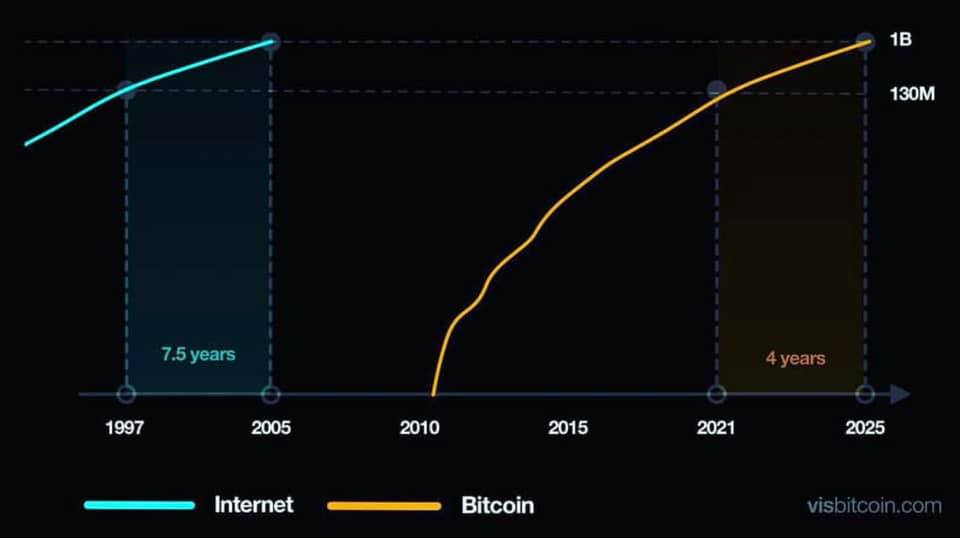
Buying bitcoin at <img decoding=.30 in 2010 : r/Bitcoin” title=”Buying bitcoin at Buying bitcoin at $0.30 in 2010 : r/Bitcoin.30 in 2010 : r/Bitcoin” />

The initial Bitcoin market in 2009 was characterized by a unique and limited user base. Understanding the characteristics of those early adopters is crucial to grasping the nascent ecosystem’s development. Their motivations, knowledge levels, and demographics provide a fascinating glimpse into the early days of cryptocurrency.

Potential Profiles of Early Bitcoin Buyers

Early Bitcoin adopters likely possessed a blend of technical curiosity, financial risk tolerance, and an interest in emerging technologies. These individuals weren’t necessarily seasoned investors, but rather pioneers drawn to the revolutionary potential of Bitcoin. Some were likely computer programmers, mathematicians, or enthusiasts familiar with cryptography and decentralized systems. Others might have been entrepreneurs seeking alternative financial avenues, or individuals with a strong belief in the potential of digital currencies.

Motivations of Early Bitcoin Buyers

The primary motivations for early Bitcoin purchases likely included financial speculation, a desire to participate in a revolutionary technology, or a combination of both. The allure of potentially high returns, coupled with the novelty of a decentralized digital currency, likely attracted many. Furthermore, the nascent nature of Bitcoin and its associated anonymity likely attracted some individuals with a desire for financial freedom or privacy.

This was particularly appealing in an era where traditional financial systems were often viewed with skepticism by some segments of the population.

Knowledge Level Required to Invest in Bitcoin in 2009

The knowledge level needed to invest in Bitcoin in 2009 was significantly lower than today’s standards. Information was largely disseminated through forums, online communities, and personal networks. Early adopters likely possessed a foundational understanding of cryptography, the internet, and potentially, decentralized systems. However, they didn’t necessarily need a deep understanding of financial markets or investment strategies. Rather, their interest and willingness to experiment with a new technology likely played a more significant role.

Hypothetical Survey to Gather Information About Early Bitcoin Buyers

A hypothetical survey targeting early Bitcoin buyers could yield valuable insights. Questions should cover demographics, motivations, knowledge level, and the investment process. For instance, questions might explore their familiarity with cryptography, their previous investment experience, and their perception of risk. Furthermore, the survey should consider how information about Bitcoin was acquired.

Potential Demographics of Early Bitcoin Buyers

Demographic Category Potential Characteristics
Age Predominantly young adults and early middle-aged individuals, potentially tech-savvy and comfortable with the internet.
Profession Computer programmers, mathematicians, entrepreneurs, and other tech-oriented professionals. Individuals with an interest in new technologies and finance.
Location Globally distributed, but potentially concentrated in tech hubs and regions with a strong internet presence.
Investment Experience Varying levels, some with prior investment experience, others with little or no experience.
Motivation A mix of financial speculation, interest in emerging technologies, and potential for financial freedom.

Bitcoin’s Development and Value in 2009

In 2009, Bitcoin emerged as a novel digital currency, marking a significant shift in the landscape of financial transactions. The concept of a decentralized, peer-to-peer system for exchanging value was revolutionary, challenging established financial structures. Understanding its genesis and value proposition in this nascent stage provides critical context for appreciating its subsequent evolution.The technology behind Bitcoin, as described in the seminal whitepaper, aimed to create a system for verifying and recording transactions without intermediaries.

This decentralized nature, underpinned by cryptographic principles, was a core element of its design. Its initial implementation, while rudimentary compared to today’s standards, established the fundamental framework for its functionality.

Bitcoin’s Technological Development in 2009

Bitcoin’s core technology, the blockchain, was in its infancy in 2009. The initial version of the Bitcoin protocol, as detailed in Satoshi Nakamoto’s whitepaper, Artikeld the fundamental principles of the system. Crucially, the first Bitcoin transactions and the initial block of the blockchain were created. This laid the groundwork for the network’s development. The system was still highly experimental and subject to adjustments and upgrades as the network grew.

Value Proposition of Bitcoin in 2009

Bitcoin’s value proposition in 2009 centered around its potential as a decentralized alternative to traditional financial systems. The core idea was to provide a system for sending and receiving payments without the need for banks or other intermediaries. This promised lower transaction fees and increased financial inclusion, particularly in regions with limited access to traditional banking. However, the concept was relatively unknown, and the lack of widespread adoption meant its practical value was limited compared to established systems.

Initial Purpose and Functionality of Bitcoin

Bitcoin’s primary purpose in 2009 was to enable peer-to-peer electronic cash transactions. It aimed to overcome the limitations of existing digital payment systems by operating independently of central authorities. This included the ability to send value directly between parties without intermediaries. Its functionality was primarily focused on creating a digital ledger of transactions, secured by cryptography. This initial functionality was fundamental to the development of the ecosystem.

Comparison with Other Digital Currencies/Payment Systems

Compared to other digital currencies or payment systems of the time, Bitcoin offered a novel approach to decentralization. Traditional online payment systems relied on centralized authorities for processing transactions, whereas Bitcoin aimed for a decentralized network. While other digital currencies and payment systems existed, Bitcoin’s approach to decentralization and its underlying cryptographic security distinguished it from its contemporaries.

This difference was a key element in its long-term potential.

Potential Uses of Bitcoin in 2009

The potential uses envisioned for Bitcoin in 2009 encompassed a range of applications. The system’s potential to facilitate international remittances, overcome censorship, and enable secure micropayments were among the discussed use cases. Additionally, Bitcoin’s potential as a store of value, though nascent at that time, was already a topic of discussion among early adopters and enthusiasts.

Outcome Summary

In conclusion, the answer to “Did anyone buy Bitcoin in 2009?” is a resounding yes, but with significant caveats. The early Bitcoin market was characterized by considerable risk and a very different approach to investing compared to the present day. The hurdles faced by early buyers, the limitations of the technology, and the motivations behind their investment choices are crucial to understanding the genesis of Bitcoin.

This exploration underscores the remarkable journey and evolution of this revolutionary technology.

Frequently Asked Questions

What were the primary methods for purchasing Bitcoin in 2009?

Early Bitcoin purchases relied heavily on peer-to-peer transactions and specialized online forums. Direct exchanges were often rudimentary and limited.

What were the common investment strategies for Bitcoin in 2009?

Early strategies involved a mix of speculation, experimentation, and a strong belief in Bitcoin’s future potential. Some may have focused on accumulating Bitcoins as early as possible, while others engaged in trades within the burgeoning community.

What were the typical profiles of those who bought Bitcoin in 2009?

Early adopters were often tech-savvy individuals interested in emerging technologies and potentially high-return investments. Some may have been programmers or entrepreneurs seeking alternative financial systems.

How did the value of Bitcoin compare to other investment opportunities in 2009?

Bitcoin’s value was highly volatile and unpredictable in 2009. It often didn’t compare favorably to more traditional investment vehicles in terms of stability, but the potential for rapid gains attracted risk-tolerant investors.